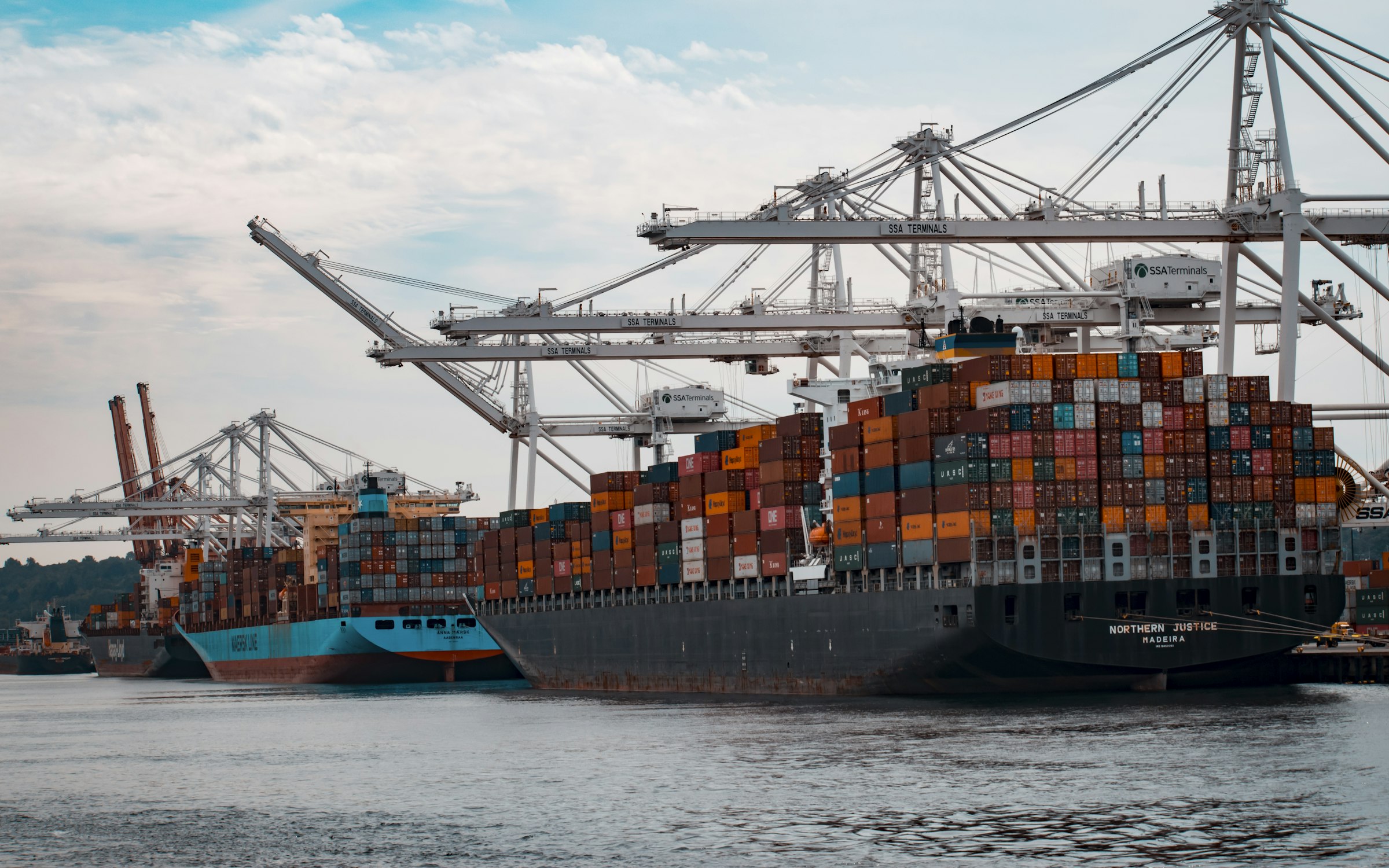
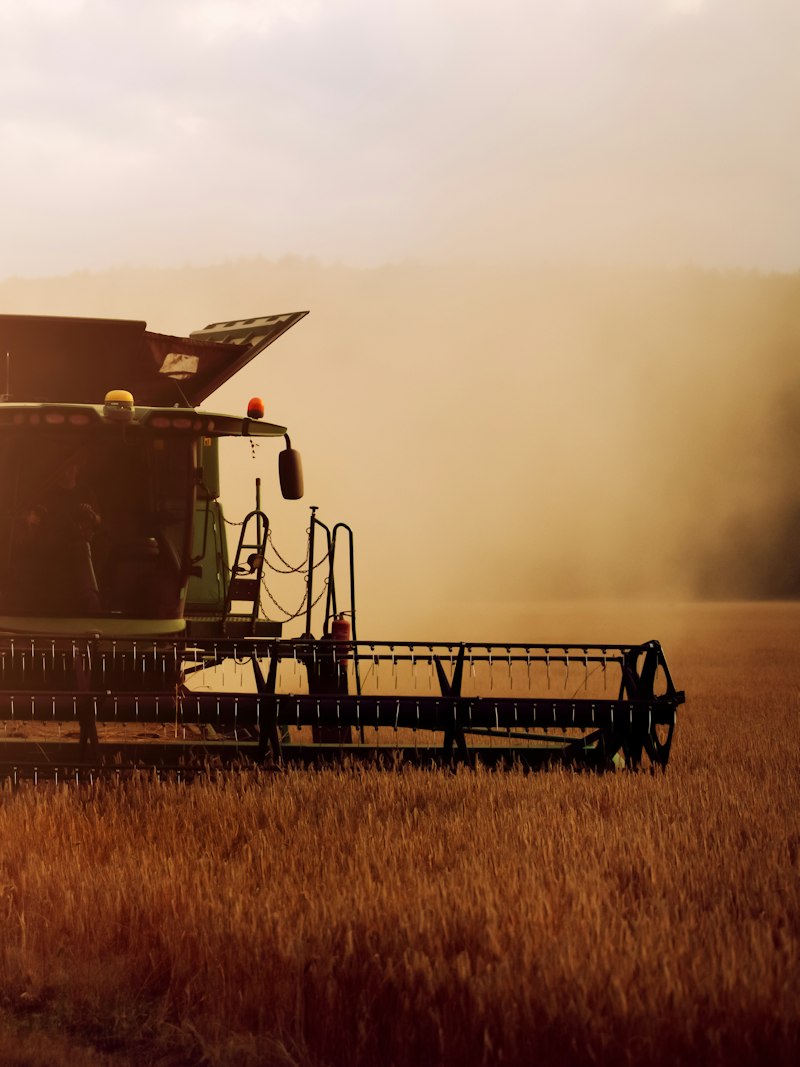
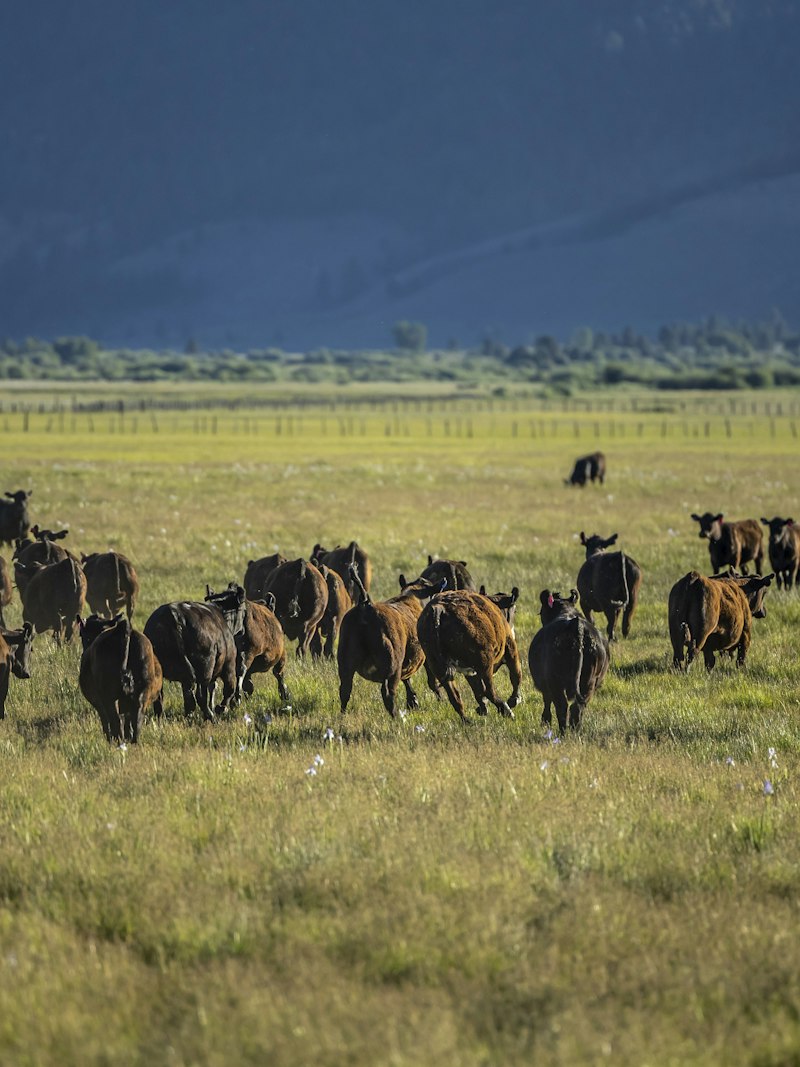
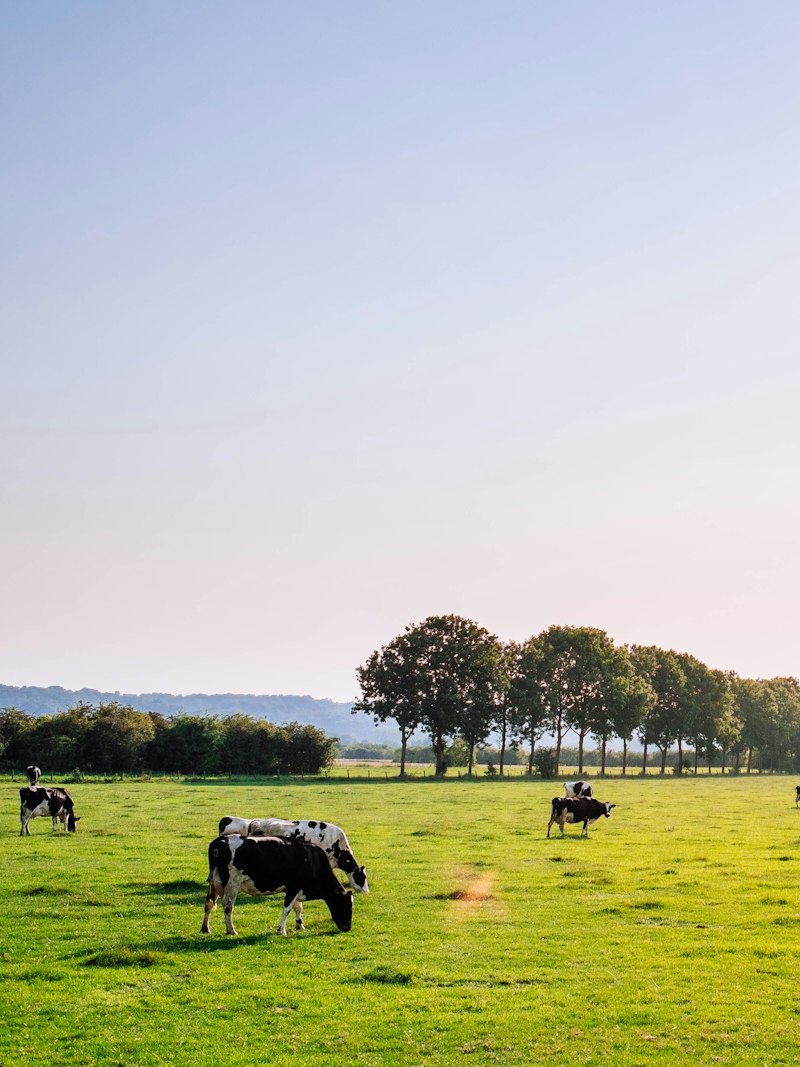
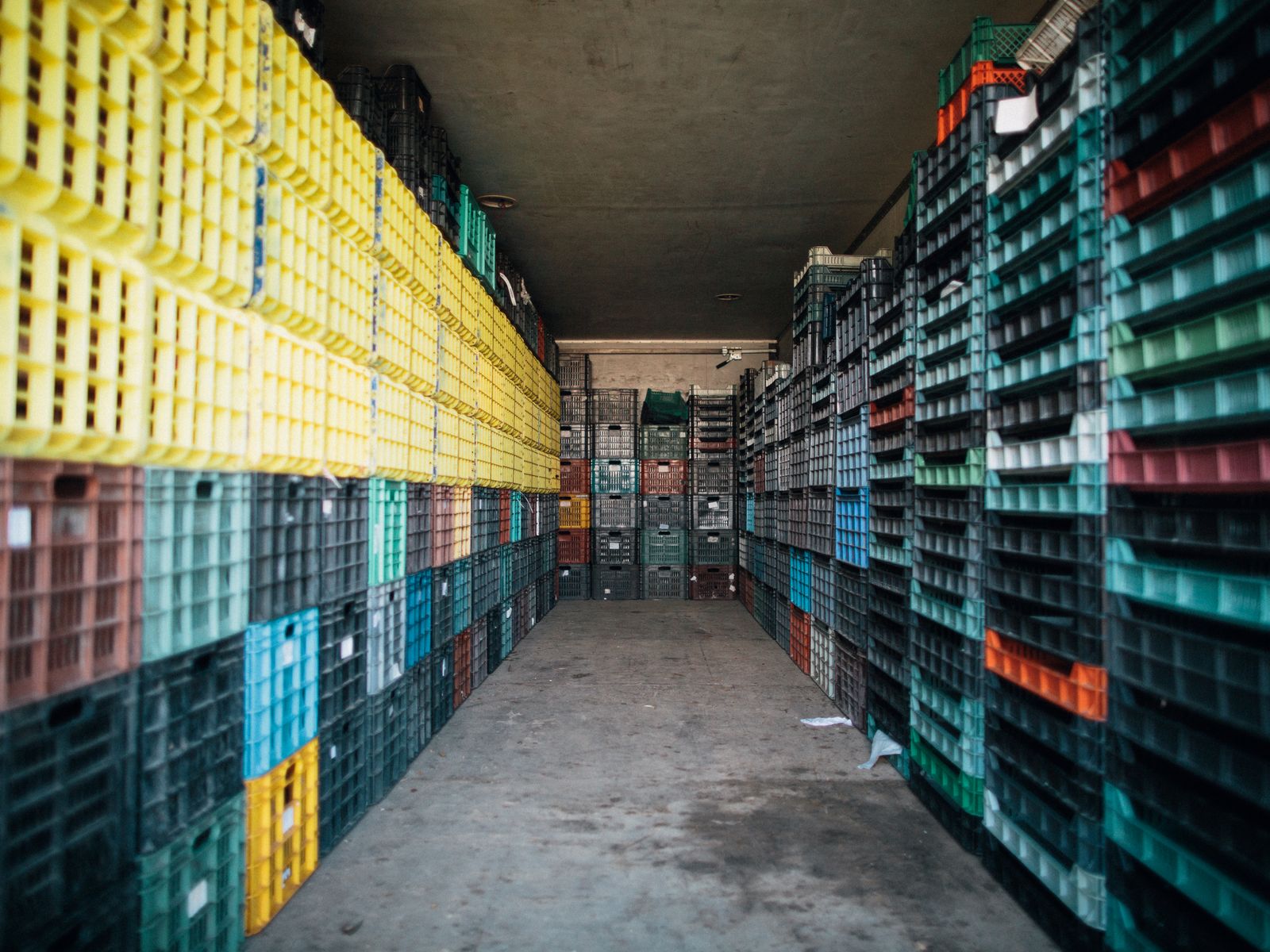
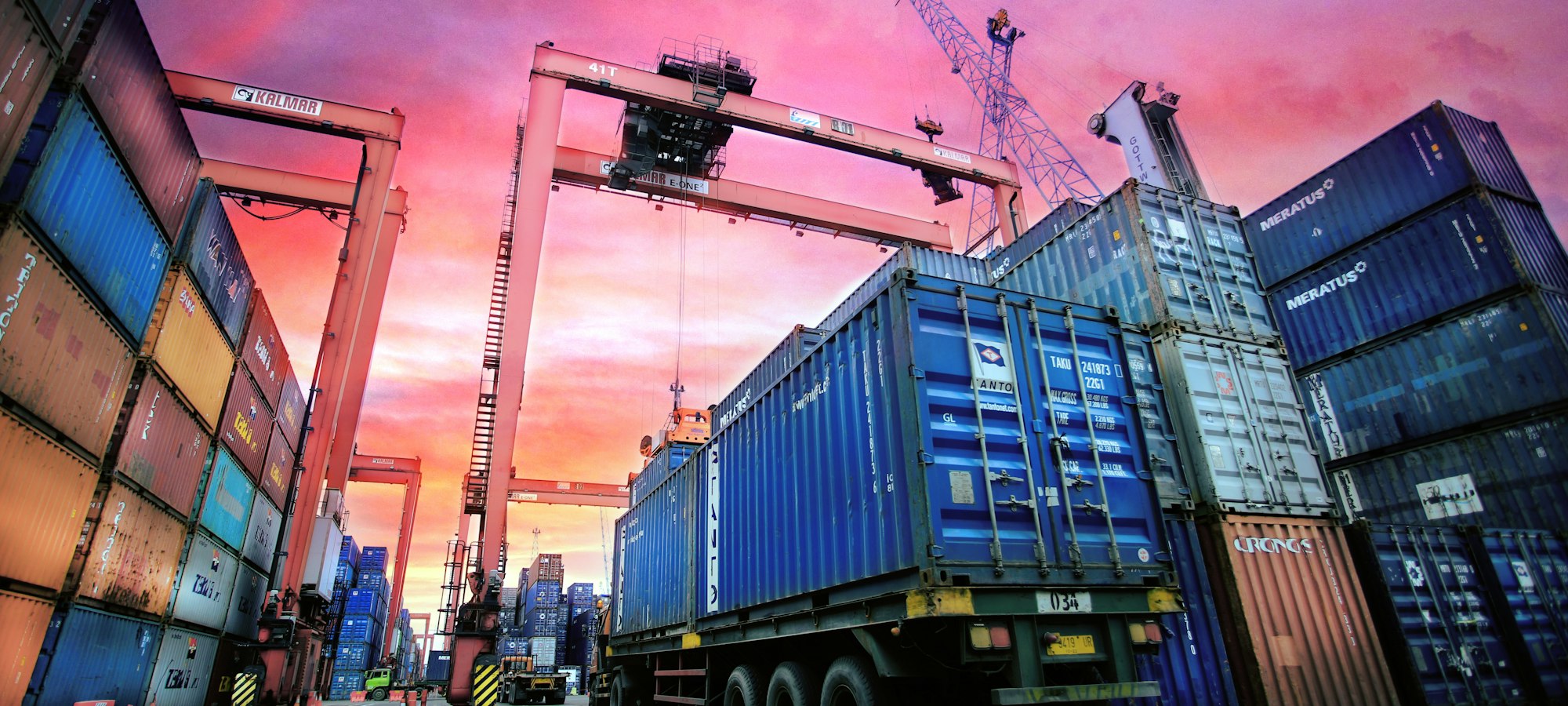
From Australian paddock and pit to Southeast Asian port.
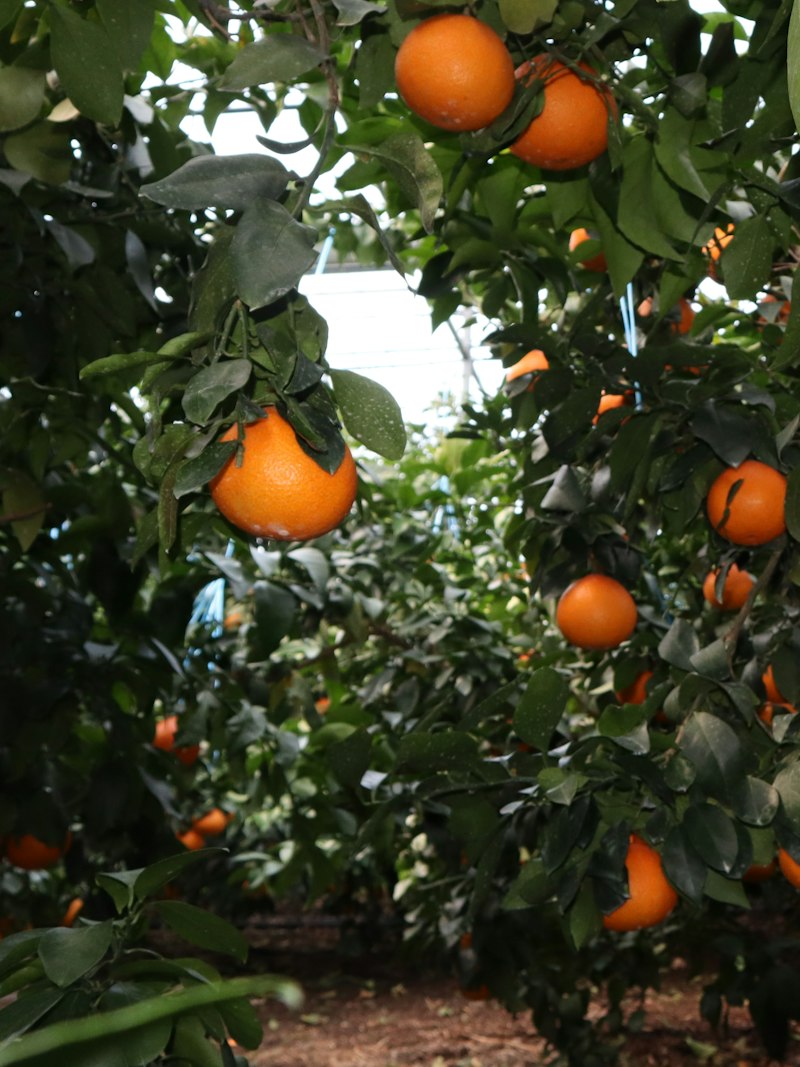
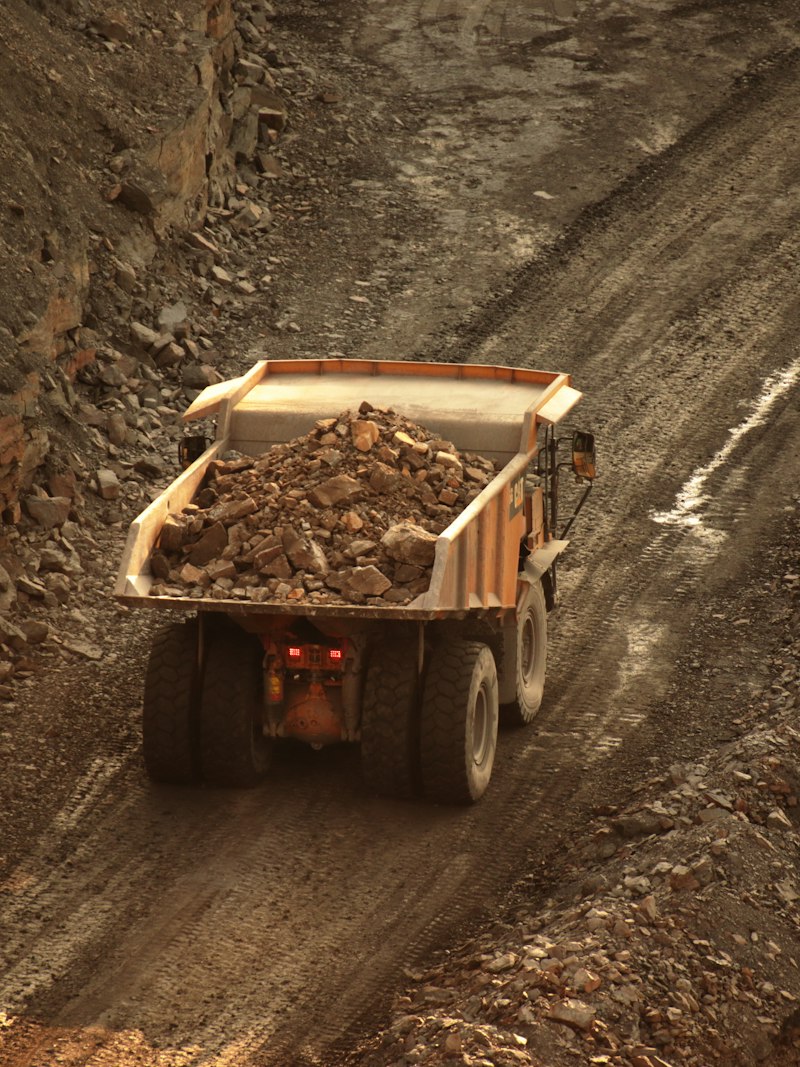
We source, inspect, document and ship Australian agricultural, food and resource commodities into the ASEAN markets — and bring the region's rubber, coffee, aquaculture and manufactured goods back the other way.
Trading history in the Australia–Southeast Asia lane.
7ASEAN markets served
Singapore, Malaysia, Indonesia, Vietnam, Thailand, the Philippines and Brunei.
11Product families
Eight out of Australia, three back in — listed line by line.
6Agreements we clear under
AANZFTA, RCEP, IA-CEPA, MAFTA, TAFTA and SAFTA.
Registered, documented, inspected
ACN 698 324 248
Certificate of Origin via ACCI / Ai Group
DAFF export documentation
Third-party inspection at buyer's option
Incoterms® 2020
What we trade
Eight Australian families, priced to a spec — not to a brochure.
Each line is quoted against a written specification, a pack format and a named Incoterm. If the grade you need is not one we hold, we will say so rather than substitute.
Australia buys far more from ASEAN than it sells there. The same relationships, the same forwarders and the same customs brokers that put an Australian container on the water bring one back — which is why our import book sits alongside the export book rather than underneath it.
On the inbound side we work to Australian import conditions from the first enquiry: BICON before the order, not after it, and an import permit granted before the goods sail.
Natural rubber and rubberwood — Thailand, Indonesia, Malaysia
Robusta and specialty arabica coffee — Vietnam, Indonesia
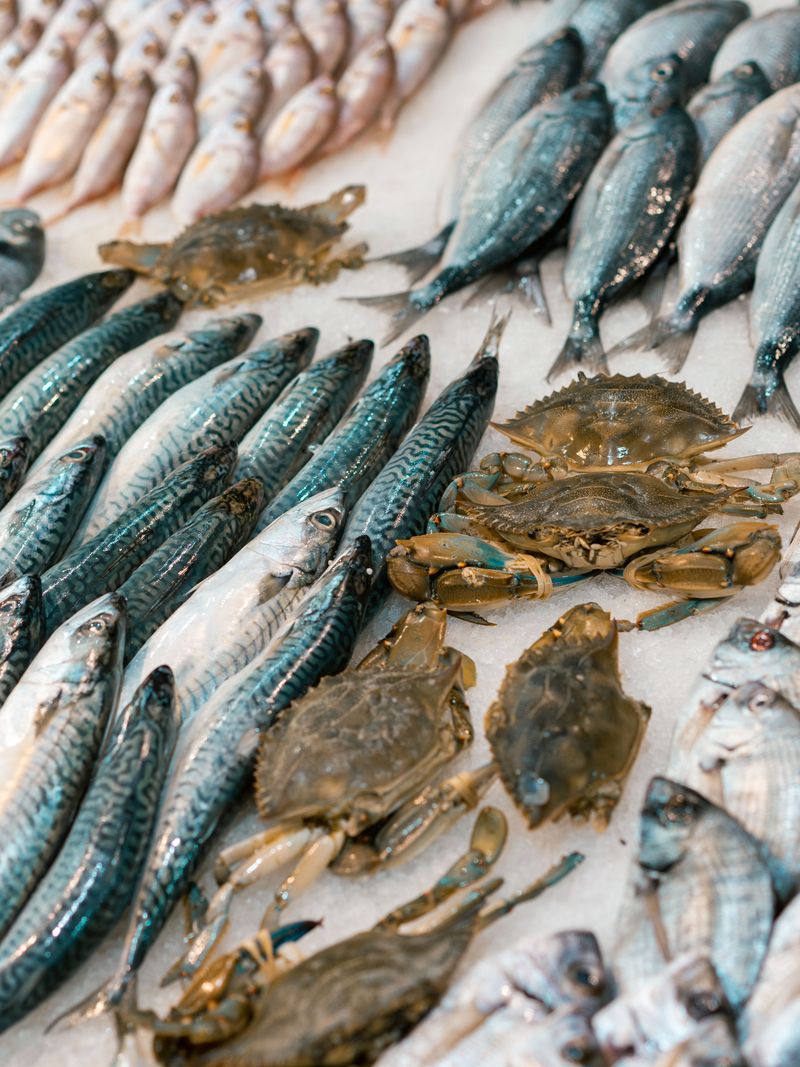
Aquaculture: pangasius, vannamei and black tiger prawns — Vietnam
Furniture, timber panel and homewares — Vietnam, Malaysia
Processed foods, spices and packaging — Thailand, Singapore, Indonesia
Import conditions are checked in BICON before an order is placed, not after the container arrives.
The corridor
Ten lanes, fourteen ports, and the water actually between them.
Transit times below are indicative port-to-port ocean legs. They exclude origin consolidation, terminal cut-offs, transhipment dwell and destination clearance — we confirm every one against the carrier's live schedule before it goes on a proforma.
Fremantle → Singapore11–13 days
Fremantle → Port Klang12–14 days
Melbourne → Singapore13–16 days
Melbourne → Tanjung Priok14–18 days
Melbourne → Laem Chabang17–21 days
Sydney → Singapore14–17 days
Sydney → Ho Chi Minh City15–19 days
Brisbane → Ho Chi Minh City14–18 days
Darwin → Tanjung Priok5–7 days
Fremantle → Manila13–17 days
Relay services into secondary ports add three to seven days at the transhipment hub, usually Singapore or Port Klang. August to October and the weeks before Lunar New Year run longer.
The artefact at each stage is named, because in cross-border trade the paperwork is the product. A missing non-manipulation certificate at transhipment costs a buyer the whole tariff preference.
1
Enquiry and admissibility
We confirm the goods are admissible at all — MICoR for the destination, BICON for anything inbound to Australia — then run AANZFTA, RCEP and the relevant bilateral to find the lowest lawful landed duty.
RFQ · specification sheet
2
Proforma and contract
A proforma invoice your bank can open a credit against: HS code, Incoterm and named place, packing, marks, ports, partial-shipment and transhipment terms, validity. Beyond a trial order, a sales contract with tolerance, inspection and arbitration clauses.
Proforma invoice · sales contract
3
Certification and booking
Export permit and health or phytosanitary certificate through EXDOC, halal certificate where the market requires one, Certificate of Origin through ACCI or Ai Group, then the carrier booking and the empty release.
Export permit · COO · booking
4
Packing, VGM and loading
Packed, sealed with a numbered bolt seal, weighed and declared before the terminal cut-off. No VGM, no load — it is one of the most common documentary reasons a container rolls to the next vessel. Pre-shipment inspection at your option.
Packing list · VGM · seal number
5
Documents and arrival
Bill of lading, commercial invoice matching the credit word for word, packing list, COO, insurance certificate, inspection certificates — presented inside the credit period. Shipping advice to you within two days of sailing.
B/L · invoice · arrival notice
Why buyers stay
Three operational habits, not three adjectives.
01
We quote the duty, not just the price
The same shipment can often claim preference under two or three agreements with different rules of origin and different forms. We run all of them and quote the landed cost, so the number you compare is the number you pay.
02
Mixed containers, one document set
A distributor who wants four product families does not want four suppliers and four credits. We consolidate mixed-SKU containers under one invoice, one packing list and one certificate of origin.
03
An honest no, quickly
If the grade you have specified will not meet your target price, or the certification you need is not one the origin can hold, we say so in the first reply instead of quoting a substitution you find out about at discharge.
Compliance
The frameworks every consignment is built on.
Scheme certificates are held by the registered establishment producing each line and are issued per consignment. We name the holder and the certificate number on request, before you order.
A small Australian trading house that does the paperwork properly.
698324248 PTY LTD is registered in Australia under ACN 698 324 248 and has worked the Australia–Southeast Asia corridor for more than a decade. We are a trading house, not a broker: we take a position, we hold the contract, and we are the counterparty your credit is opened against.
That also means we are the party who wears a discrepancy. It is why the document set gets the attention on this site that most trading companies give to a product gallery.